FX Market Reactions to Metals Volatility: Key Pairs to Watch
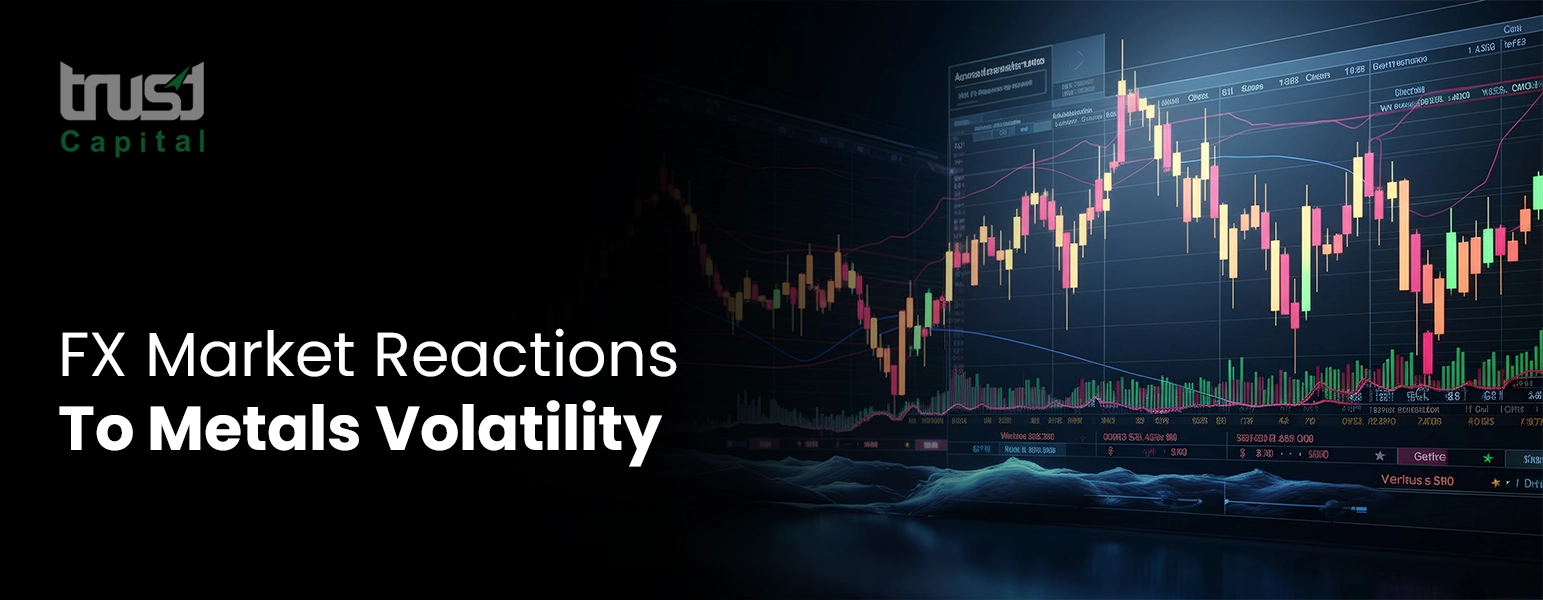
Volatility in the metals market rarely stays contained. When gold, silver, and industrial metals experience sharp price swings, the impact often ripples straight into the forex market. Understanding FX market reactions to metals market volatility is becoming increasingly important for traders looking to identify high-probability setups and best forex opportunities.
As we move toward a more interconnected trading environment, the relationship between metals and currencies is shaping some of the most actionable trends in FX market 2026.
Why Metals Market Volatility Matters for Forex Traders
Metals are deeply embedded in global trade, inflation dynamics, and central bank policy. When prices spike or collapse, currencies tied to commodity exports tend to react quickly.
Key drivers of metals market volatility include:
-
Inflation expectations and interest-rate outlooks
-
Central bank gold demand
-
Global growth cycles and manufacturing data
-
Geopolitical risk and supply disruptions
These forces directly influence currency metals correlation, making metals a leading indicator for forex movement rather than a lagging one.
Currency Metals Correlation Explained
The currency metals correlation reflects how closely certain currencies move in response to changes in metal prices. This relationship is especially strong among global commodity currencies.
Examples of strong metals FX correlation include:
-
Gold prices and safe-haven currencies
-
Industrial metals and growth-sensitive currencies
-
Precious metals and inflation-linked FX pairs
For traders, recognizing this correlation helps anticipate top FX reactions before they fully materialize.
Top Metal Currencies to Watch
Some currencies consistently show heightened sensitivity to metals price action. These are often considered the top metal currencies and remain critical to monitor during volatile periods.
Best Metal Currencies for Traders
-
AUD (Australian Dollar): Strongly linked to gold and industrial metals
-
CAD (Canadian Dollar): Influenced by both metals and broader commodity markets
-
CLP (Chilean Peso): Closely tied to copper prices
-
ZAR (South African Rand): Highly sensitive to precious metals
These are widely viewed as the best metal currencies for traders seeking exposure to metals-driven FX moves.
Metals FX Correlation and Key Trading Pairs
Understanding metals FX correlation allows traders to focus on pairs that react most efficiently to metals volatility.
Key FX pairs influenced by metals:
-
AUD/USD during gold price expansions
-
USD/CAD when metals and commodities diverge
-
EUR crosses during shifts in precious metals demand
These movements often represent the top metals impact zones in the forex market.
FX Volatility Indicators That Confirm Metals Impact
To trade metals-driven FX moves effectively, traders rely on FX volatility indicators to confirm momentum and risk conditions.
Commonly used indicators include:
-
Average True Range (ATR) for volatility expansion
-
Bollinger Bands for breakout confirmation
-
Implied volatility metrics
-
Correlation matrices tracking metals vs FX
When combined with metals price action, these tools help identify best metals impact scenarios across currency pairs.
Metals Trading Strategies in a Volatile FX Environment
Strong metals trading strategies don’t rely on metals alone they integrate forex confirmation.
Effective approaches include:
-
Trading FX breakouts following metals price surges
-
Hedging currency exposure using correlated metal assets
-
Short-term CFD strategies during metals-driven volatility spikes
These strategies remain especially relevant as traders search for best forex opportunities amid tightening global liquidity.
Precious Metals 2026: What Forex Traders Should Expect

Looking ahead, precious metals 2026 forecasts suggest elevated volatility driven by:
-
Persistent inflation risks
-
Central bank reserve diversification
-
Ongoing geopolitical uncertainty
This environment supports continued strong FX market reactions, particularly among commodity-linked currencies.
Metals Volatility 2026 and Commodity Markets Outlook
The outlook for metals volatility 2026 points toward sustained price fluctuations rather than stability. Broader commodity markets 2026 are expected to remain highly reactive to macroeconomic data, reinforcing metals as a leading signal for forex traders.
This aligns closely with emerging forex trends 2026, where cross-asset analysis becomes essential rather than optional.
FX Market 2026: Trading the Cross-Asset Connection
As we approach FX market 2026, successful traders will increasingly focus on intermarket relationships. Metals are no longer just commodities they are drivers of currency direction, volatility, and sentiment.

Recognizing top FX reactions to metals price changes can provide a significant edge, especially in CFD trading where timing and volatility matter most.
Final Thoughts
Metals volatility doesn’t stop at commodity charts it flows directly into currency markets. By understanding currency metals correlation, monitoring top metal currencies, and applying robust metals trading strategies, traders can better navigate evolving forex trends 2026.
In a market defined by uncertainty, metals may offer some of the clearest signals for identifying tomorrow’s best forex opportunities.