TradFi Tokenization: The Future of Traditional Finance in a Digital World
As digital technology continues to reshape global finance, one innovation stands out: tokenization. By digitizing real-world assets like equities and enabling them to be traded on blockchain networks, TradFi tokenization is unlocking new levels of efficiency, liquidity, and global access.
The transformation of traditional finance trading through tokenization isn’t just a future trend— it’s happening now. And the platforms that offer early access to tokenized asset trading will shape the next generation of capital markets.
What is TradFi Tokenization?
Traditional finance tokenization refers to the process of representing traditional financial assets— such as stocks, bonds, and real estate—as digital tokens on a blockchain. These tokens can be traded 24/7 on TradFi tokenization platforms, offering unprecedented access to global markets and investors.
One of the most compelling benefits of this evolution is liquidity—a key driver of modern financial innovation.
Tokenized Equities and the Liquidity Revolution
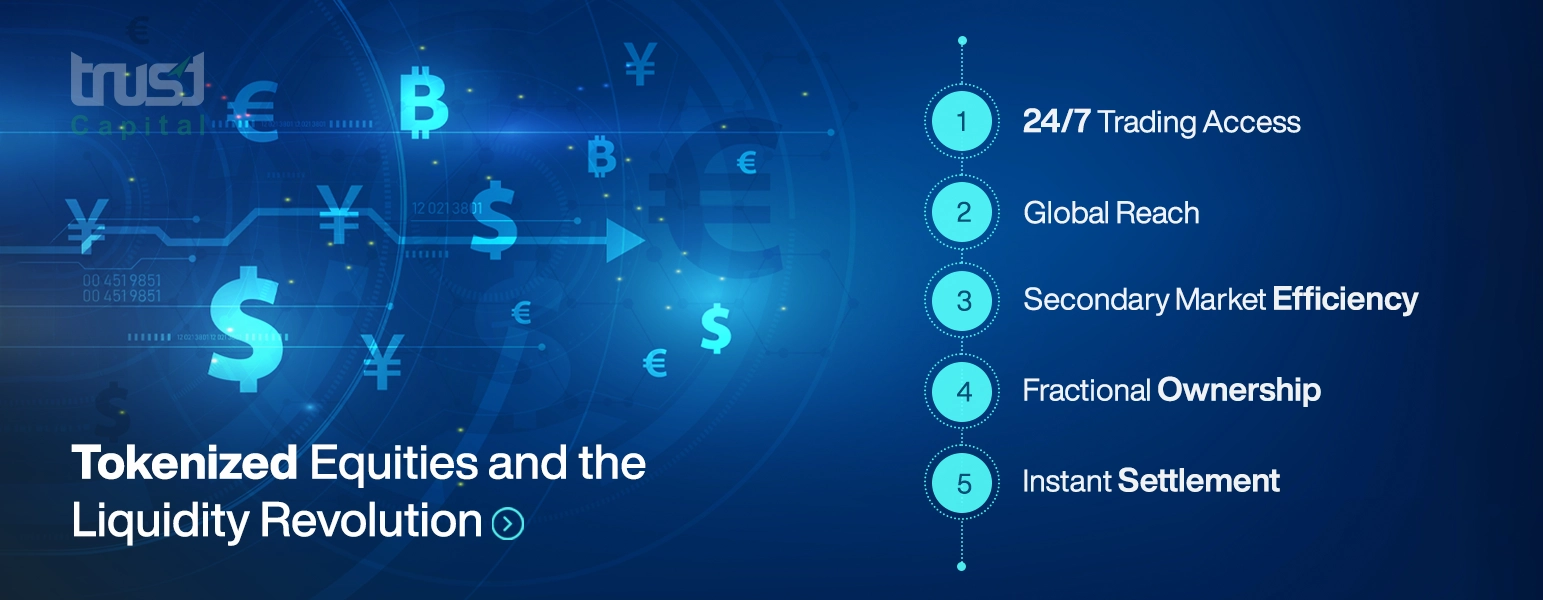
Tokenized equities are unlocking liquidity in ways conventional markets have struggled to achieve:
1. 24/7 Trading Access : Unlike legacy equity markets that close after business hours, tokenized asset trading platforms operate around the clock. Investors across time zones can buy and sell tokenized shares like Apple or Tesla—even on weekends.
2. Fractional Ownership : By enabling fractional shares, tokenization reduces the entry barrier for retail investors. This brings in more participants and deepens market liquidity.
3. Global Reach : With blockchain infrastructure, tokenized equities can be accessed by anyone with an internet connection, bypassing traditional geographic and institutional restrictions.
4. Instant Settlement : Blockchain-powered financial markets tokenization removes clearinghouse delays. Trades can be settled in seconds, increasing turnover and reducing counterparty risk.
5. Secondary Market Efficiency : Tokenization enables highly efficient peer-to-peer secondary trading. Investors are no longer locked into illiquid positions—they can exit at will, improving capital mobility.
What This Means for CFD Traders
You don’t need to buy tokenized stocks directly to benefit from these changes.
As liquidity for tokenized equities grows, so does the volatility and trading opportunity—making them ideal candidates for CFD trading. On our platform, you can:
-
Trade CFDs on top global stocks that are becoming more liquid through tokenization
-
Leverage market movement without owning the underlying tokenized asset
-
Go long or short depending on market direction
-
Take advantage of enhanced price efficiency driven by deeper liquidity
CFDs allow traders to capture the price movements of these increasingly accessible and frequently traded assets—all from a single, user-friendly platform.
Use Cases of Tokenization in Traditional Finance
The rise of financial tokenization opens up several innovative use cases:
-
Equity Tokens – Representing publicly traded company shares (e.g., Apple or Tesla) as tokens for fractional, global, 24/7 trading.
-
Real Estate Tokens – Investors can purchase fractional ownership in residential or commercial properties.
-
Bond and Debt Instruments – Capital market tokenization enables more efficient issuance and settlement.
-
Commodities – Tokenized gold, oil, and agricultural products allow more transparent and efficient commodity trading.
The Road Ahead: Tokenization Trends 2025
Heading into 2025, we anticipate several major developments in tokenization:
-
More institutions will tokenize assets via public blockchains like Solana and Ethereum.
-
Retail platforms will expand access to tokenized financial products.
-
Cross-border tokenized trading infrastructure will mature, bringing better liquidity and interoperability.
These trends mark the convergence of blockchain financial services and traditional finance trading, enabling a truly digital, global market ecosystem.
Conclusion
TradFi tokenization is transforming how traditional assets are bought, sold, and traded. For CFD traders, this shift translates into more opportunities, tighter spreads, and better access to dynamic markets.
You don’t need to own the tokenized assets—you just need to trade smarter. Our platform offers the tools, access, and performance to help you trade CFDs on highly liquid, tokenization-boosted stocks—without the complexity of blockchain management.
The financial world is going digital. Let us help you trade it.