From Real Estate to Bonds: How Tokenisation Makes Investing Borderless
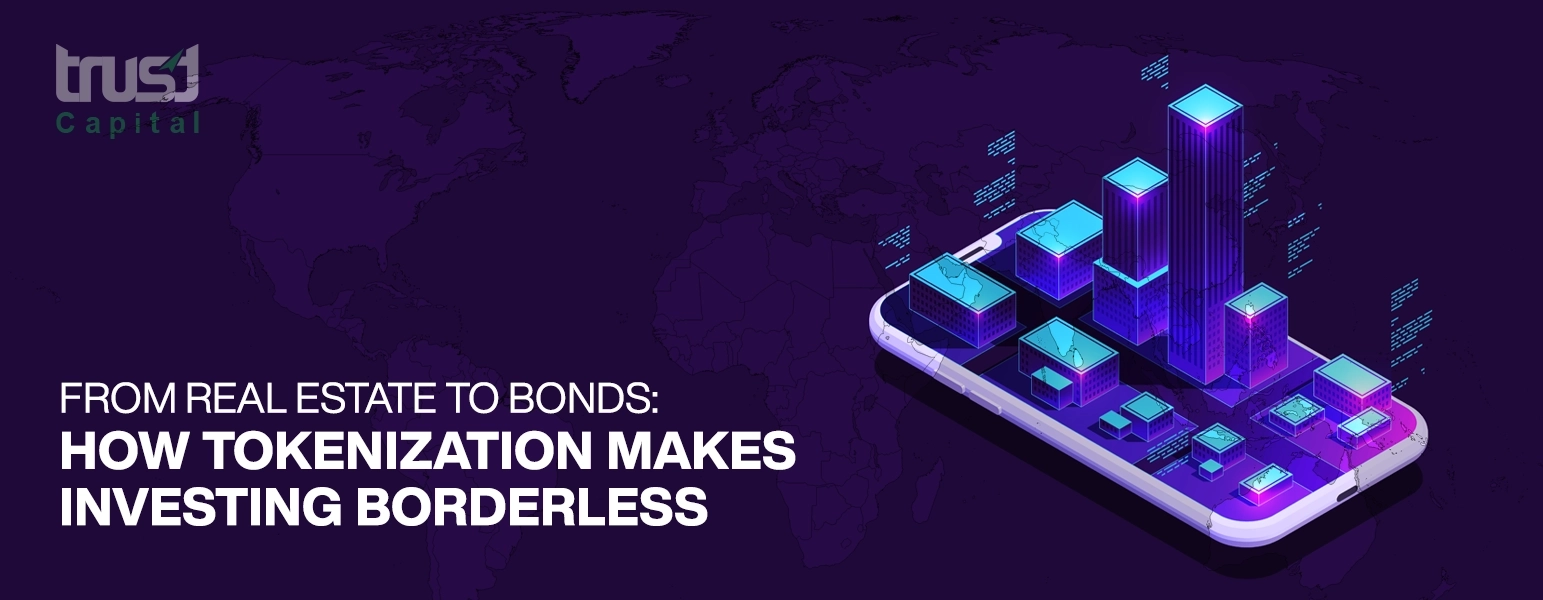
The investment world is changing rapidly. Traditional assets like real estate, bonds, and private equity are no longer limited to institutional investors or high-net-worth individuals. Thanks to blockchain technology, tokenization is transforming how people access global markets, creating new opportunities for investors across borders.
From tokenized bonds to digital real estate shares, the rise of asset-backed tokens is opening the door to a more connected and efficient financial ecosystem. In this article, we’ll explore the benefits of tokenization, why blockchain for investments is gaining momentum, and how tokenization 2026 trends could redefine borderless investing.
What Is Tokenization in Investing?
Tokenization refers to the process of converting ownership rights of a real-world asset into digital tokens stored on a blockchain. These tokens can represent fractions of assets such as:
-
Real estate properties
-
Government and corporate bonds
-
Commodities
-
Art and collectibles
-
Stocks and private equity
In simple terms, tokenize bonds or real estate means turning traditionally illiquid assets into digital investment products that can be traded globally.
This innovation is becoming one of the top tokenization trends because it improves accessibility, liquidity, and transparency for investors worldwide.
Real Estate Tokenization: Opening Global Markets
Traditionally, investing in international property required significant capital, legal paperwork, and local market knowledge. Real estate tokenization changes this model entirely.
By dividing a property into smaller digital shares, investors can buy fractional ownership with lower entry barriers. This means someone in Asia can invest in commercial real estate in Europe or residential developments in the United States without purchasing the entire property.
Key Advantages of Real Estate Tokenization
1. Fractional Ownership
Investors no longer need hundreds of thousands of dollars to enter the property market. Tokenized assets allow participation with much smaller investments.
2. Increased Liquidity
Unlike traditional real estate, tokenized shares can potentially be traded on digital exchanges, offering faster access to capital.
3. Global Accessibility
Real estate token 2026 projections suggest growing international participation as blockchain infrastructure matures.
4. Enhanced Transparency
Blockchain records every transaction, reducing fraud risks and improving trust among investors.
As demand grows, many analysts consider tokenized property among the best investment tokens for portfolio diversification.
Tokenized Bonds: Modernizing Fixed-Income Investments
The bond market has historically been dominated by large institutions and complex settlement systems. Today, tokenize bonds solutions are helping modernize this trillion-dollar industry.
Bond tokenization 2026 forecasts indicate significant adoption by financial institutions seeking faster settlement and reduced administrative costs.
How Bond Tokenization Works
A traditional bond is issued digitally on a blockchain network. Investors purchase tokens that represent ownership or debt participation. Smart contracts automate:
-
Interest payments
-
Compliance procedures
-
Settlement processes
-
Ownership transfers
This creates a more efficient and transparent system for fixed-income investing.
Benefits of Bond Tokenization
-
Faster settlement times
-
Reduced transaction costs
-
Improved liquidity
-
Easier global access
-
Enhanced transparency
For investors searching for best bond tokenization opportunities, blockchain-based debt products offer exposure to fixed-income assets with improved efficiency.
Why Blockchain for Investments Is Gaining Momentum
The rise of blockchain for investments is driven by several major industry shifts:
Lower Barriers to Entry
Tokenization enables smaller investors to access markets previously reserved for institutions.
Borderless Transactions
Traditional investing often involves currency conversions, banking delays, and geographic restrictions. Blockchain removes many of these friction points.
Faster Settlements
Cross-border transactions that once took days can now settle within minutes.
Improved Security
Blockchain technology uses decentralized verification systems that reduce manipulation risks and improve transparency.
Growing Institutional Interest
Major banks, fintech firms, and asset managers are increasingly exploring tokenization strategies as part of their digital transformation initiatives.
This growing adoption is why many analysts expect tokenization 2026 to become a defining trend in global finance.
The Benefits of Tokenization for Modern Investors
The benefits of tokenization extend beyond convenience. It fundamentally changes how investors build and manage portfolios.
Diversification Opportunities
Investors can gain exposure to multiple asset classes across different regions and sectors.
Enhanced Market Access
Global investment opportunities become accessible through digital platforms without traditional geographic limitations.
Potential Cost Reduction
Automation and blockchain infrastructure reduce intermediaries and administrative expenses.
Portfolio Flexibility
Digital assets can be traded more efficiently compared to traditional illiquid investments.
For traders and CFD investors, tokenized assets may also create new speculative opportunities tied to emerging blockchain markets.
Borderless Investing and the Future of Global Finance
Borderless investing is becoming one of the most important developments in modern finance. As blockchain adoption increases, investors may eventually access tokenized versions of:
-
Real estate portfolios
-
Government bonds
-
Infrastructure projects
-
Commodities
-
Green energy assets
This shift could create a truly interconnected financial ecosystem where capital moves more freely across borders.
Many experts believe the top asset tokens in the coming years will combine strong regulatory frameworks with real-world utility, especially in sectors like property and fixed income.
Risks and Challenges of Tokenization
While the future appears promising, investors should also understand the risks associated with tokenized investments.
Regulatory Uncertainty
Regulations surrounding digital assets continue to evolve across different jurisdictions.
Market Volatility
Some blockchain-based assets may experience price fluctuations and liquidity concerns.
Technology Risks
Cybersecurity and smart contract vulnerabilities remain important considerations.
Platform Reliability
Investors should carefully evaluate platforms offering tokenized investment products.
As with any financial product, conducting proper research is essential before investing.
Tokenization 2026: What Comes Next?
Looking ahead, tokenization 2026 trends suggest continued expansion across both retail and institutional markets.
Key developments may include:
-
Greater institutional adoption
-
Regulated tokenized securities exchanges
-
Expansion of tokenized government bonds
-
Increased integration with decentralized finance (DeFi)
-
Broader cross-border investment access
As technology and regulations mature, tokenization may become a standard method for issuing and trading financial assets globally.
Final Thoughts
From real estate tokenization to tokenize bonds initiatives, blockchain technology is reshaping global investing. By lowering barriers, improving liquidity, and enabling borderless transactions, tokenized assets are creating new opportunities for modern investors.
Whether exploring best blockchain investment opportunities or researching the top tokenization trends, investors are increasingly paying attention to how digital assets can diversify portfolios and expand global market access.
As the financial industry evolves, tokenization could become one of the most transformative innovations in modern investing — connecting global markets like never before.